Growth Precincts
Growth Precincts for Investment
Housing
We are rapidly growing. Over the next 15 years, our population is expected to increase by an additional 20,000 people, which means we will need up to 9,000 new homes in Frankston city centre and 35,000 new homes throughout the municipality. Frankston City Council is preparing its Frankston City Housing Strategy which will ensure adequate land supply that is needed to facilitate the development of a range of housing types, identify key housing growth / change locations, rezone land and enhance the integrity of our neighbourhood characteristics.
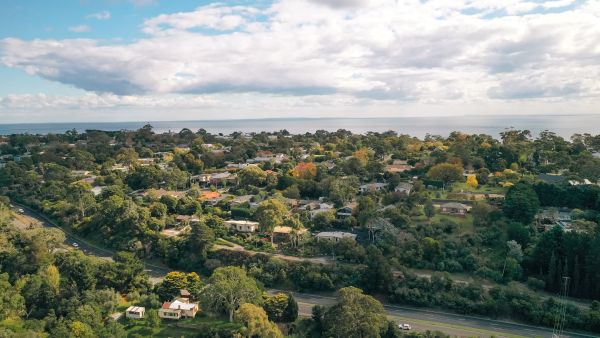
The City Centre is the principal area identified for housing growth and urban change over the next two decades. It sits at the heart of the city’s structure plan, where land use, housing, built form, employment, open space and transport are being coordinated to guide future development and investment. This precinct will continue to be the primary focus for higher-density housing, mixed-use development and urban renewal as Frankston evolves as a major metropolitan centre.
The area along Nepean Highway, particularly around the revitalised Nepean Boulevard precinct, is emerging as a key housing and mixed-use growth corridor. Plans are focused on reimagining this major spine into a people-centric boulevard with housing, hospitality and retail, reinforcing its role as a lively part of the city centre and a gateway to new residential and commercial activity.
Recent approvals in this area include hundreds of new apartments combined with ground-floor retail and services, adding significant housing supply and street activity.
Investment and planning around key transport and activity nodes, including areas near Frankston Station and public transport corridors, are also directing housing growth toward locations that support walkable, amenity-rich living. Proposals and planning discussions suggest that increased housing densities are encouraged in proximity to public transport, activity centres and services as part of future housing strategy directions.
What this means for investors and developers
For investors, the Housing Strategy and identified growth precincts provide greater clarity and reduced risk. They look at:
- where increased residential density is supported
- the types of housing likely to be needed
- locations with strong long-term demand drivers
- opportunities aligned with transport, services and employment
Retirement
Retirement living is being increasingly planned across Frankston City as the local population ages and demand grows for housing that supports ageing well. Council’s housing and positive ageing work points to a need for more retirement and seniors accommodation, particularly in locations that provide easy access to healthcare, shops, public transport and community services.
Development is best suited to well-serviced precincts, including areas close to activity centres and key health and education locations, where residents can stay connected to daily amenities and where existing infrastructure can support additional housing. These settings can accommodate a range of retirement living models, from independent living and retirement villages to more compact, apartment-style seniors housing.
Frankston’s coastal lifestyle, strong local services and evolving city centre continue to appeal to downsizers and retirees, supporting ongoing demand across the municipality and reinforcing the role of retirement living within Frankston’s future housing mix.
Hotels & Hospitality
Frankston City presents a growing opportunity for hotels and short-stay accommodation. The city’s coastal location, year-round visitor appeal and increasing business travel demand have created a measurable gap in accommodation supply. Research by Frankston City Council shows a significant undersupply of hotel rooms, with an estimated need for about 250 additional rooms by 2031 to meet expected demand across leisure and business travel. Frankston City is focusing growth in and around the City Centre and Metropolitan Activity Centre, where hotels, serviced apartments and visitor accommodation can be close to public transport, services, dining, and major attractions.
This demand is driven by Frankston City’s growing visitor economy, supported by attractions such as our gorgeous beaches, major festivals, and arts and culture venues like the Frankston Arts Centre.
While Frankston City already has a vibrant cafe and casual dining scene, there is a strong demand for a wider visitor experience, including premium dining, entertainment and hospitality offerings that promote longer stays and improve spend per visitor.
Captains of Industry
Greater South East Melbourne is recognised as Australia's largest and most important manufacturing hub (Deloitte Access Economics, September 2026). Frankston City's industrial precincts are economic powerhouses, supporting over one-third of local jobs and generating more than $10 billion annually.
Industrial activity plays a long-term role in Frankston City, supporting employment, supply chains and essential services across the southern metropolitan region. Council’s strategic planning recognises the importance of protecting and strengthening industrial land so it can continue to accommodate manufacturing, logistics, warehousing and industrial services as the city evolves.
Frankston City Council's Industrial Strategy: https://www.frankston.vic.gov.au/files/assets/public/v/1/planning-and-building/pdfs/strategic-planning/2025/frankston-city-industrial-strategy-july-2025.pdf
Industrial development is concentrated within established precincts where existing infrastructure, road access and proximity to metropolitan markets support efficient operations. These precincts are well suited to ongoing use, renewal and adaptation, including the modernisation of older sites to meet contemporary operational, efficiency and sustainability needs.
To guide this evolution, Council has adopted the Frankston City Industrial Strategy and Industrial Design Guidelines, which set clear direction for how industrial precincts are expected to develop over time. The strategy focuses on renewing ageing industrial areas, improving built form and amenity, supporting low-carbon and circular economy outcomes, and strengthening connectivity and access.
The Industrial Strategy is being implemented through a Planning Scheme Amendment, providing statutory weight and greater certainty for investors and developers. Together, these frameworks offer clarity around land use expectations, precinct roles and development outcomes, supporting confident investment and long-term industrial activity across Frankston City.
Vacant land
Frankston City has several vacant and under-utilised land, particularly in key locations such as the city centre, along Nepean Highway, and within established industrial precincts, including Carrum Downs, Seaford, Frankston, and Langwarrin. These sites represent huge opportunities for housing, employment, and city-shaping development.
Rather than large greenfield land releases, most of Frankston’s available land is within existing urban areas. This includes vacant lots, sites that have remained underdeveloped for long periods, and land that is currently used at a much lower intensity than planning controls allow.
Frankston City’s approach to growth is focused on renewal, redevelopment and activation of existing land rather than outward expansion. This helps make better use of infrastructure, supports walkable neighbourhoods and strengthens local centres. To encourage development in priority areas, Frankston Council is taking steps to discourage long-term land banking and support the activation of vacant and underdeveloped sites, particularly in the city centre and along key corridors.
Interested in development opportunities in Frankston City?
Our Investment Attraction team can help identify suitable sites and guide you through planning and development pathways.
Contact our Investment Attraction team